The moment
Presence is built from small, uninterrupted moments.
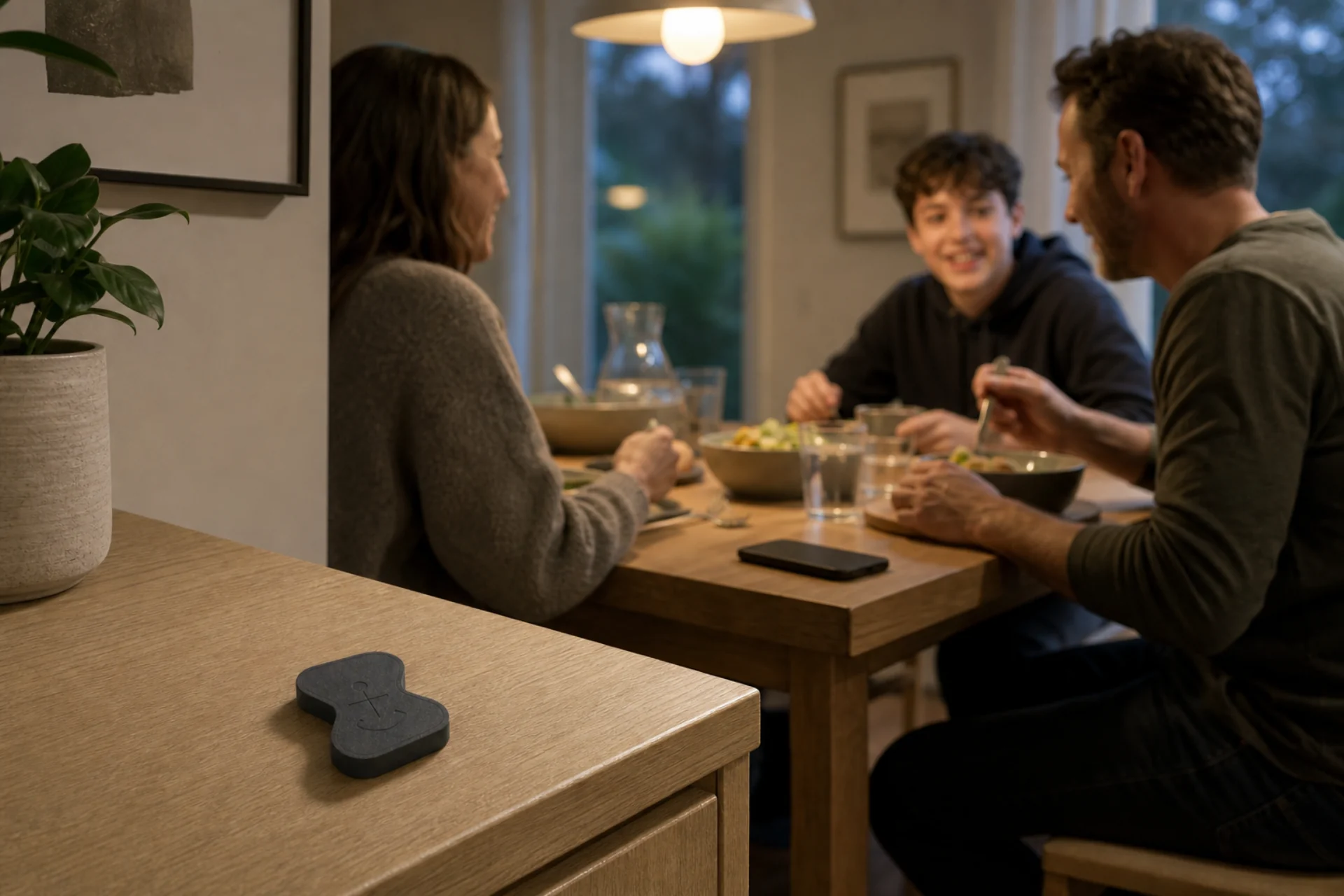
A phone on the table can divide attention even when no one is actively using it. The possibility of the next check is enough to keep part of a conversation provisional.
Anchor can mark a shared window—dinner, homework help, a movie, or the last hour before bed—without blocking the parts of the phone that still matter to your household.
How Anchor fits
Make the household agreement visible.
- 01
Agree on the moment
Choose a specific ritual worth protecting, such as dinner through clean-up or the first hour everyone is home.
- 02
Each person chooses their distractions
The boundary can be shared without making every phone identical. Each person selects what should wait on their own iPhone.
- 03
Return together—or individually
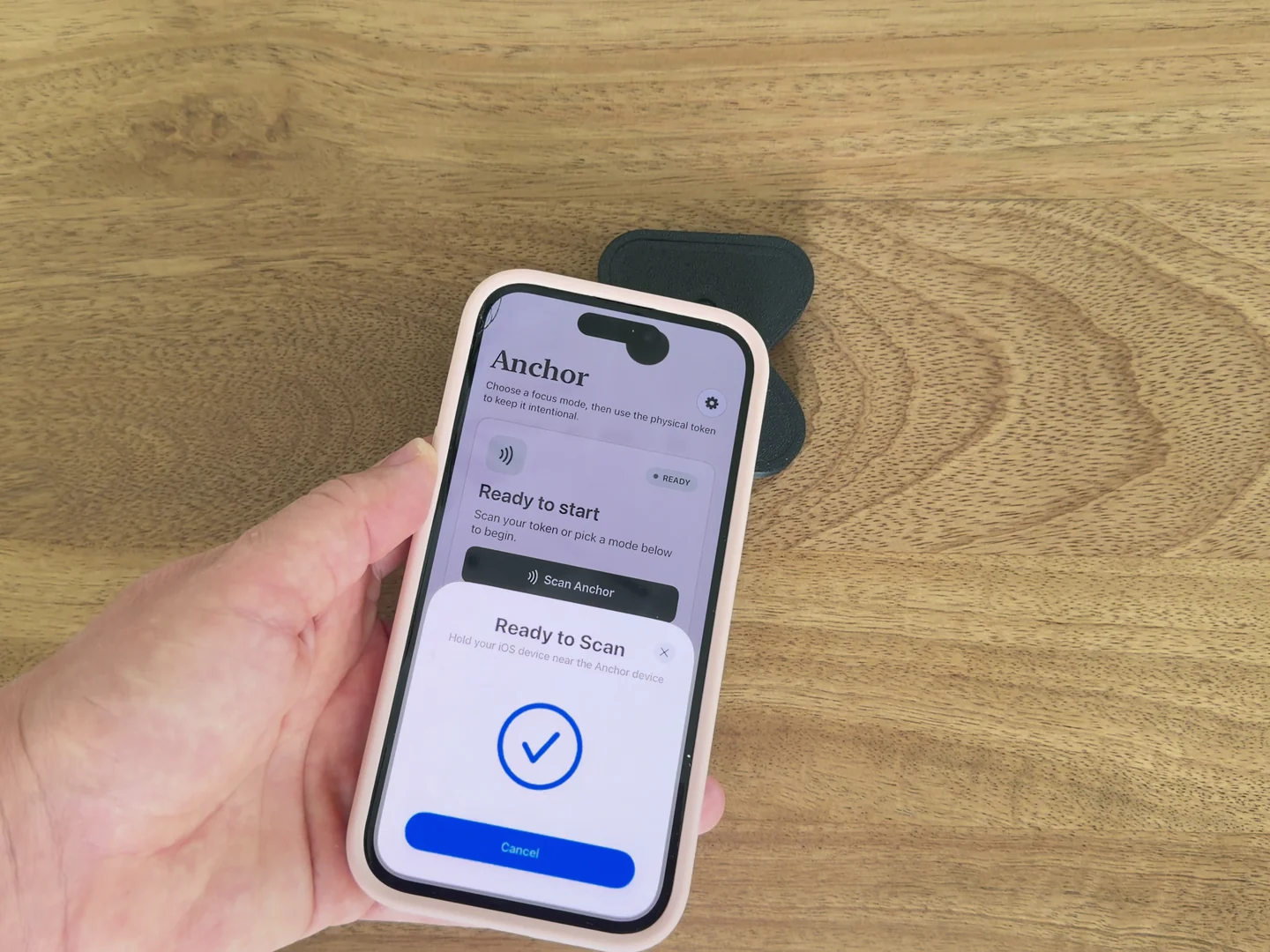
When the window is over, each person uses the Anchor paired to their iPhone to stop their own session.
A practical setup
Try one phone-light ritual.
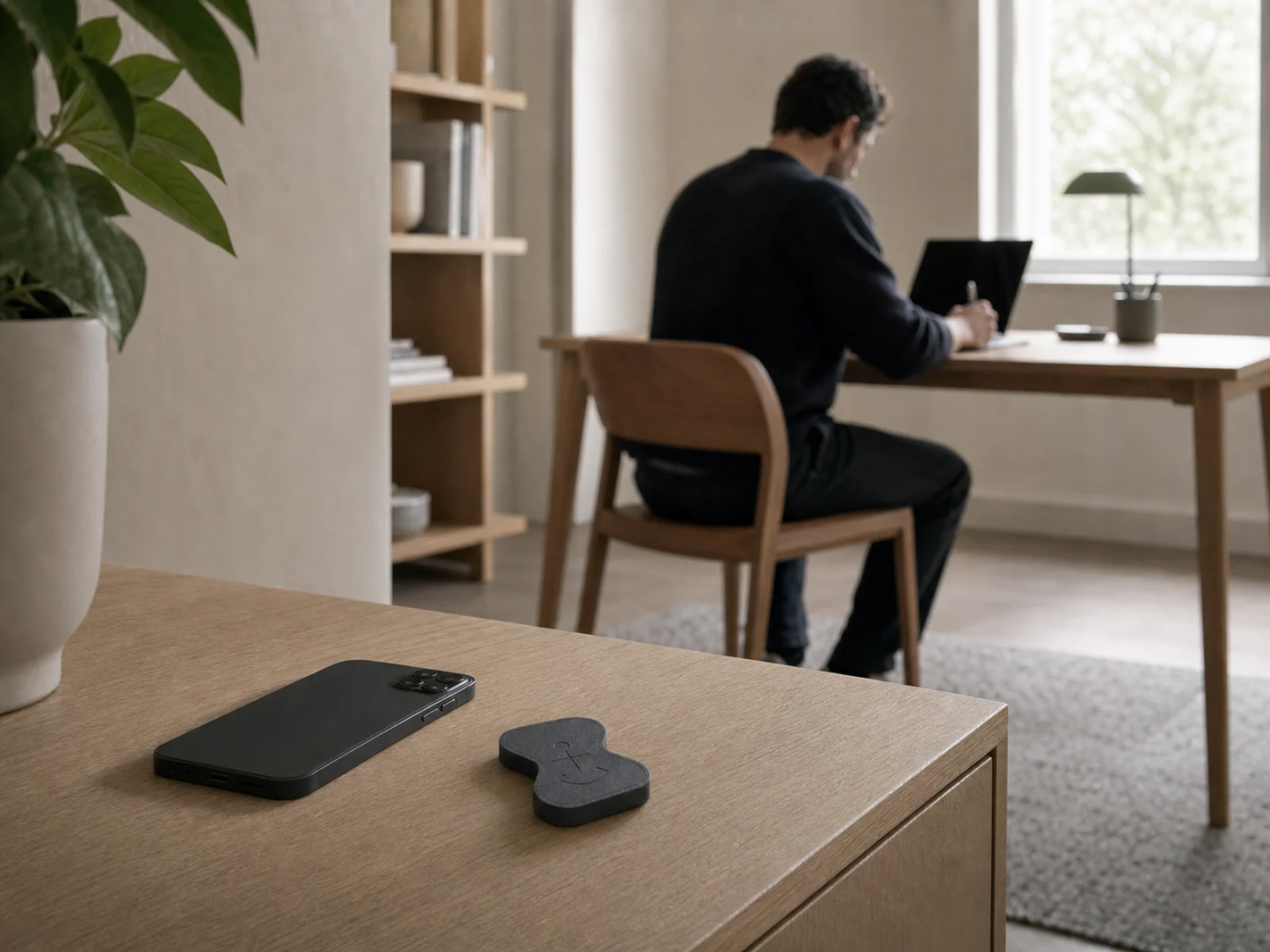
A ritual works better when it has a clear beginning, a natural ending, and a place for the devices to go.
- 1
Pick a moment everyone recognizes
Dinner is an easy starting point because the beginning and end are already visible.
- 2
Decide what must remain reachable
Keep calls, messages, music, or household tools outside the blocked selection if your family needs them.
- 3
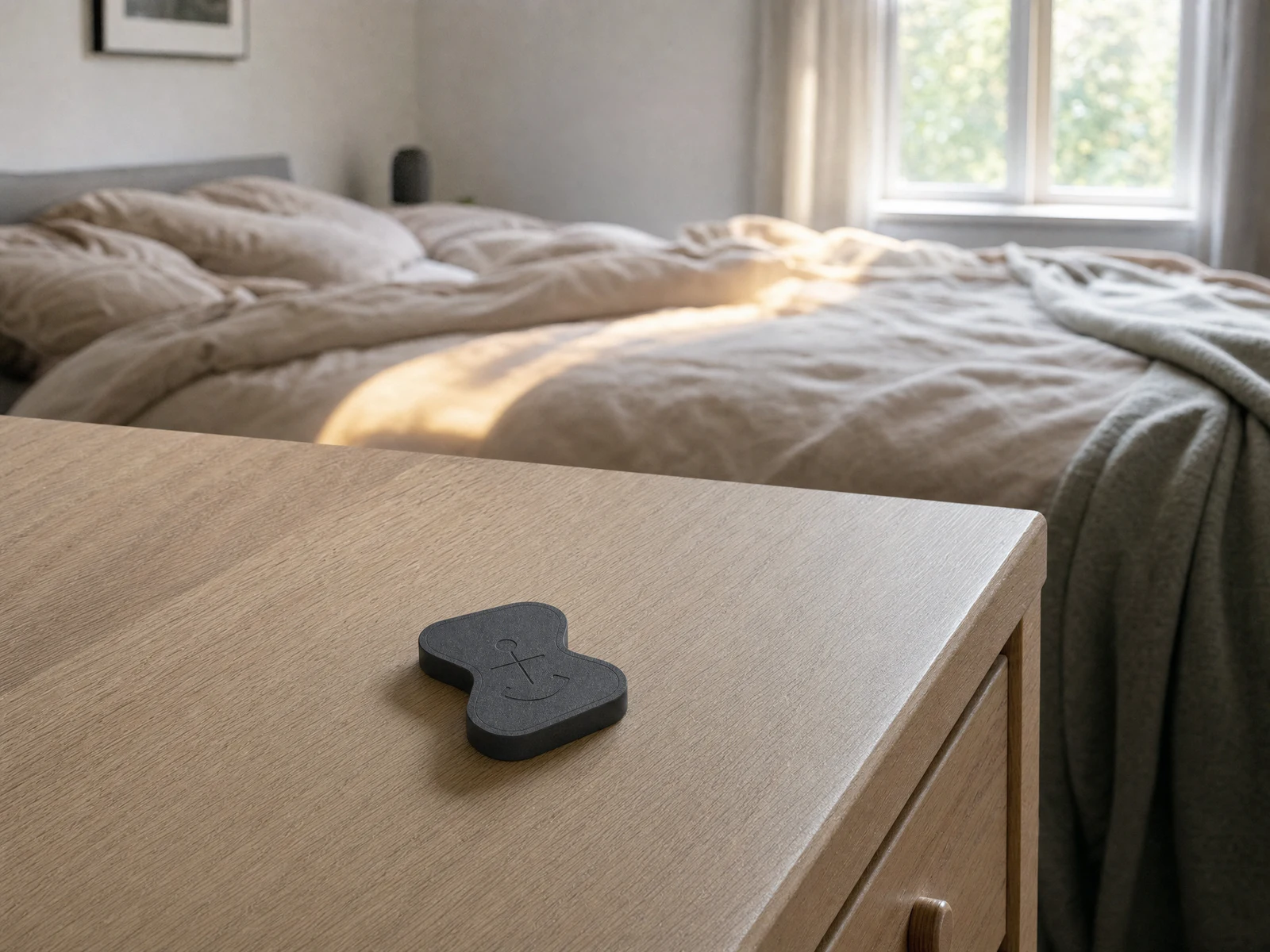
Use one consistent landing place
A sideboard or entry shelf makes the ritual obvious without turning Anchor into the centre of attention.